
The UK Practice Toolkit on Climate, Disasters and Protection Claims is a practical, step-by-step guide for UK immigration and human rights practitioners.
Explore the Toolkit here.
Edited by Yumna Kamel (Earth Refuge) and Olivia Clark (Refugee Legal Support), the Toolkit brings together contributions from lawyers, academics and policy experts across the Joint Council for the Welfare of Immigrants, the Refugee Law Initiative at the University of London, Qore Legal and Garden Court Chambers, as well as independent practitioners and consultants.
It is designed to help lawyers identify where climate change and disasters are already relevant to the cases in front of them, and to weave those factors into existing asylum, protection and human rights arguments.
The Toolkit fills an important gap: while international guidance in this area is growing (such as the Practical Toolkit on climate and disasters, published by the Kaldor Centre and partners) this resource is focused specifically on how those principles can be used in UK legal practice. It is also a direct outcome of last year’s International Protection in the Context of the Climate Crisis conference, which called for practical tools to move this work from discussion into implementation.
It has been developed collaboratively by lawyers, academics and policy experts across climate, refugee and human rights law, drawing on experience in litigation, direct representation, research and practitioner training.
What it covers
The Toolkit takes practitioners through the full life of a case, including:
- how to reframe protection claims in climate and disaster contexts
- how the Refugee Convention, Article 3 and Article 8 ECHR may apply
- issue spotting and client interview questions
- country evidence and climate science
- working with country, climate and medical experts
- building and evidencing a claim
- worked case studies from UK practice
- funding and legal aid considerations
- possible future pathways for UK law
One of the worked examples shows how climate-related evidence contributed to a successful Article 8 appeal in the UK: a concrete example of how these arguments can make a difference in practice.
How to use it
This is not a guide to a new category of “climate refugee”; it is a tool for looking again at existing cases and asking:
- Is change or disaster intensifying the harm?
- Is it affecting State protection, internal relocation or conditions on return?
- Is it interacting with persecution, conflict, gender-based violence, trafficking, health or poverty?
- What evidence would help make that visible?
The Toolkit is intended to be used throughout casework: at intake, in client interviews, when reviewing country evidence, instructing experts, drafting submissions and developing appeal strategy.
The wider aim is to support practitioners to start making these arguments more consistently so that stronger cases can be built now, while helping to develop precedent and a broader body of rights over time.
A living resource
The Toolkit is a starting point and will evolve as new cases, legal developments and practitioner feedback come in. We want to hear about cases you are seeing, arguments you are testing, evidential or funding challenges, gaps in the current guidance, resources that would be useful in future versions, and anything else you feel is relevant for colleagues to know. That shared learning is intended to shape the next iterations of the Toolkit.
Workshops
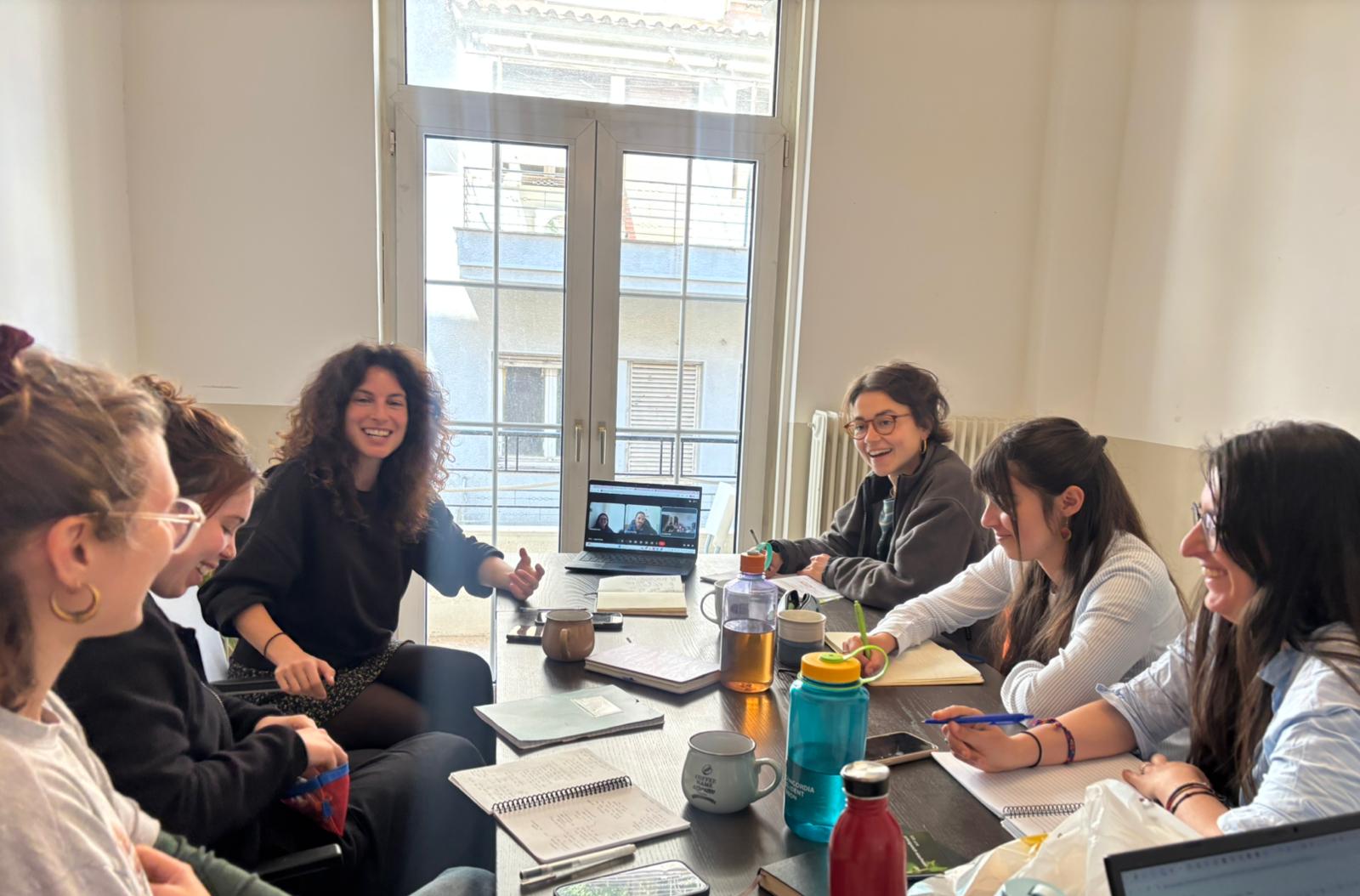
Earth Refuge and Refugee Legal Support are also developing UK-specific workshops based on the Toolkit, focused on practical issue spotting, evidence and legal arguments. To request a workshop, share feedback or discuss a case, contact the editors:
Olivia Clark — Refugee Legal Support: olivia.clark@refugeelegalsupport.org
Yumna Kamel — Earth Refuge: yumna@earthrefuge.org
.png)
.bmp)